
Homesteads for Hope

By mid-morning, Homesteads for Hope is already in motion. Sunlight warms the rows as hands move steadily, twisting lettuce from the soil, gathering tomatoes one careful pick at a time. Soft conversation and laughter drifts in and out, but the work sets the rhythm.
Near the barn, the chickens fall into step with it all. They weave between boots and baskets, trailing closely behind anyone who passes. Farm Director Chris Krivanek says the fowl turn
even the simplest task into something shared.
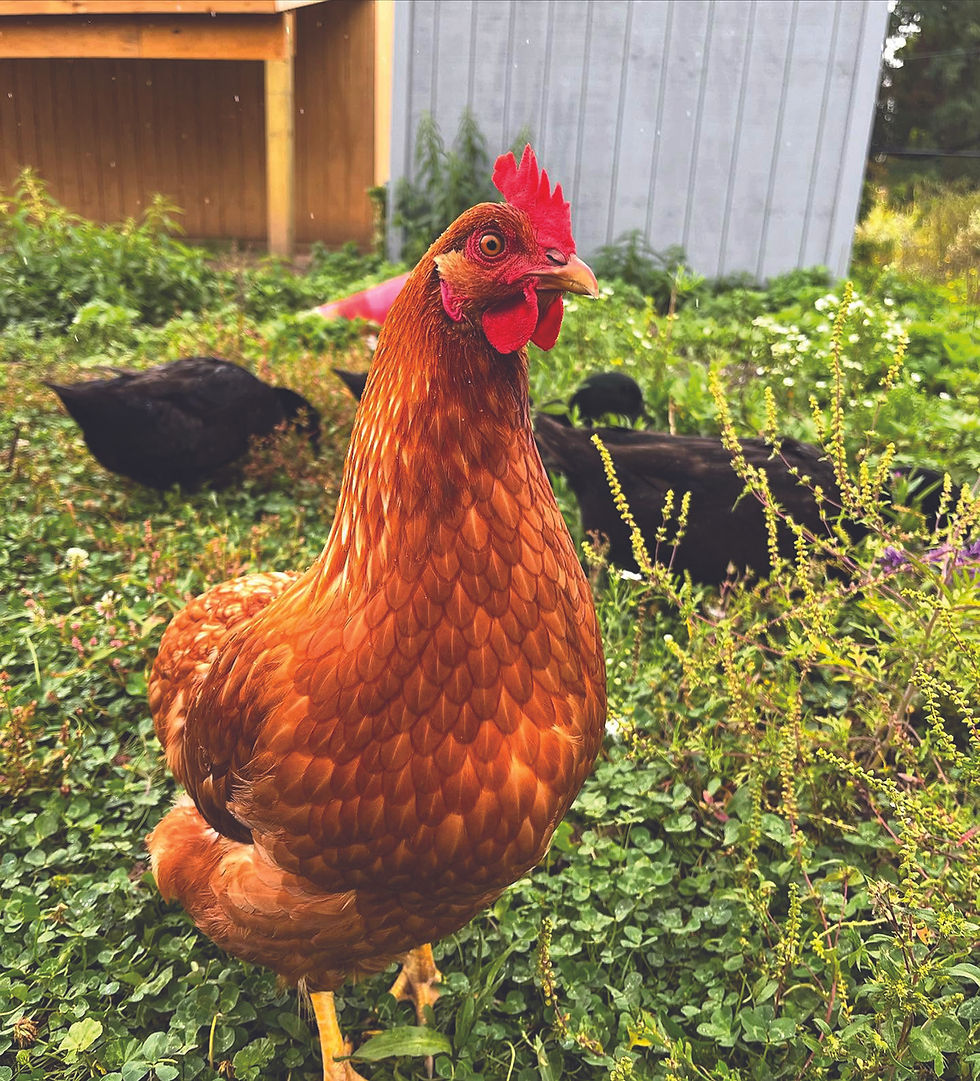
It’s the kind of place where small routines take on weight. Collecting eggs, refilling water, brushing straw aside, tasks that feel simple but grounding. “It can really get you out of yourself, your head,” Chris says.
Along the banks of the Erie Canal in Spencerport, this 55-acre property has grown into more than a working farm. Homesteads for Hope serves more than 2,500 individuals, an inclusive community where people of all abilities learn, work, and build a sense of belonging.
The idea began with something deeply personal. Founders Jennyrae and her mother, LuAnn, searched for ways to support Jennyrae’s brother, Chuckie. On the farm, Chuckie found peace in simple, hands-on tasks, sorting peppers, being outdoors, engaging at his own pace.
That experience shaped the organization’s mission: to inspire individuals with disabilities to grow their abilities, purpose, and independence through nature’s paramount classroom. Today, that philosophy lives out across the fields, in the kitchen, through workshops, and in gathering spaces of the farm.
A Day on the Farm
A typical farm day starts early, with staff arriving between 7 and 8 a.m. to prepare for the day’s activities, with participants, volunteers, and visiting groups arriving by 9. From there, the day unfolds through a mix of structured activity and natural rhythm.
In the fields, work is productive and purposeful. The farm cultivates more than 100 varieties of fruits and vegetables, as well as rows of beautiful flowers, with blooms picked for purchase at the farm stand along with the U-Pick field inviting visitors to create their own. All need to be tended, and many hands make lighter work.
Each task is intentional but adaptable. Participants engage in ways that match their abilities, harvesting produce, preparing food in the certified kitchen, managing inventory in the farm store, or caring for animals. The goal isn’t just productivity, but confidence, independence, and skill-building.
“Always a joy to visit, speak with the staff, and volunteer in the fields. You can’t help but walk away with a smile on your face.”
The animals are central to that experience. Chickens, ducks, and geese, along with a growing number of chicks and ducklings (and soon, Lamancha goats) offer opportunities for connection and responsibility. With 25 laying hens and a lively mix of waterfowl, the farm is rarely quiet, and often, not entirely orderly. Ducks splash unpredictably in shallow pools, while chickens gather at humans’ feet with curious persistence. The effect is both calming and joyful, an everyday reminder that growth here isn’t just measured in crops.
For many participants, this is also where social connections take root. Chris recalls moments like a participant celebrating their first-ever birthday party with friends, an experience that reflects the deeper purpose of the farm’s inclusive environment.
The Happy Harvest Market
By afternoon, focus shifts toward the front of the property. The Happy Harvest Market (open May 4th-Nov 1st) carries the work of the morning into a space designed for both access and community connection.
Fresh produce fills the shelves alongside fresh-picked flowers, locally sourced goods, and items made on-site, such as natural bug sprays, pollinator cups, and hand salves. Many products are created by participants, extending the day’s work into something tangible and shareable.
The market itself continues to evolve. This year, the farm introduced a Harvest Pass system, replacing its CSA model with a more flexible option that allows customers to purchase produce at a discounted rate and choose what they need throughout the season.
The Happy Harvest Market is also a place where learning continues. Participants help manage inventory, interact with customers, and take part in the day-to-day operations of a working retail space, gaining both practical experience and confidence.
Workshops and partnerships add another layer, from gardening sessions to collaborations with groups like the Rochester Dahlia Society. Each offering expands the idea of what participation on the farm entails.
“Drawing hundreds throughout the summer, Thursdays at the Farm blend live music, food trucks, and local vendors into something that feels both lively and unhurried.”
Thursdays at the Farm
And then, each Thursday, from June 11th-Nov 1st, as day stretches toward evening, the farm energy shifts again. The light softens. A breeze blows off the canal. Community members arrive with folding chairs, picnic blankets, and a sense of familiarity.
Thursdays at the Farm have become one of the farm’s most visible expressions of community. Drawing hundreds throughout the summer, the weekly event blends live music, food trucks, and local vendors into something that feels both lively and unhurried. With pony rides and room to roam and explore on the farm, this has become a cherished family-friendly tradition.
“It’s a fun way to spend a summer evening,” Chris says, but the appeal runs deeper. Friends reconnect. First-time visitors find their place without needing direction. It’s less an event than a gathering that forms naturally within the space.
What connects all of this, the structured morning work, the hands-on learning, the market, the quiet energy of Thursday nights, is a shared sense of purpose. Homesteads for Hope describes itself as a “community farm experience,” and that idea carries through every part of the day. It’s a place where people build skills, relationships, and confidence through meaningful work.
Now celebrating its 10th year, the organization continues to grow, expanding volunteer opportunities, programming, and ways for the greater community to get involved. From May through mid-October, the farm is at its busiest, alive with activity and intention.
On this farm by the canal, growth takes many forms. Vegetables ripen in the fields, flowers bloom in long rows, and people discover new strengths within themselves.
And as evening settles and the last chairs are folded, the farm quiets again. The work of the day lingers in the fields, in the market, and in the connections formed. By morning, it will all begin again.

Ready to experience the farm for yourself? View the full event calendar at homesteadsforhope.org


Comments